Entrepreneur tastes success after pivoting his wine tasting business during pandemic

Entrepreneur tastes success after pivoting his wine tasting business during pandemic

Tomelier, Tom Newbold, wine tasting, Rugby
Tom Newbold

A Warwickshire man who turned his back on a career in law to set up his own wine tasting business just before the pandemic struck, has unveiled plans for expansion ahead of his third anniversary.

Tom Newbold was forced to reinvent his fledgling wine tasting business when Covid-19 put a sudden halt to all face-to-face events in March 2020.

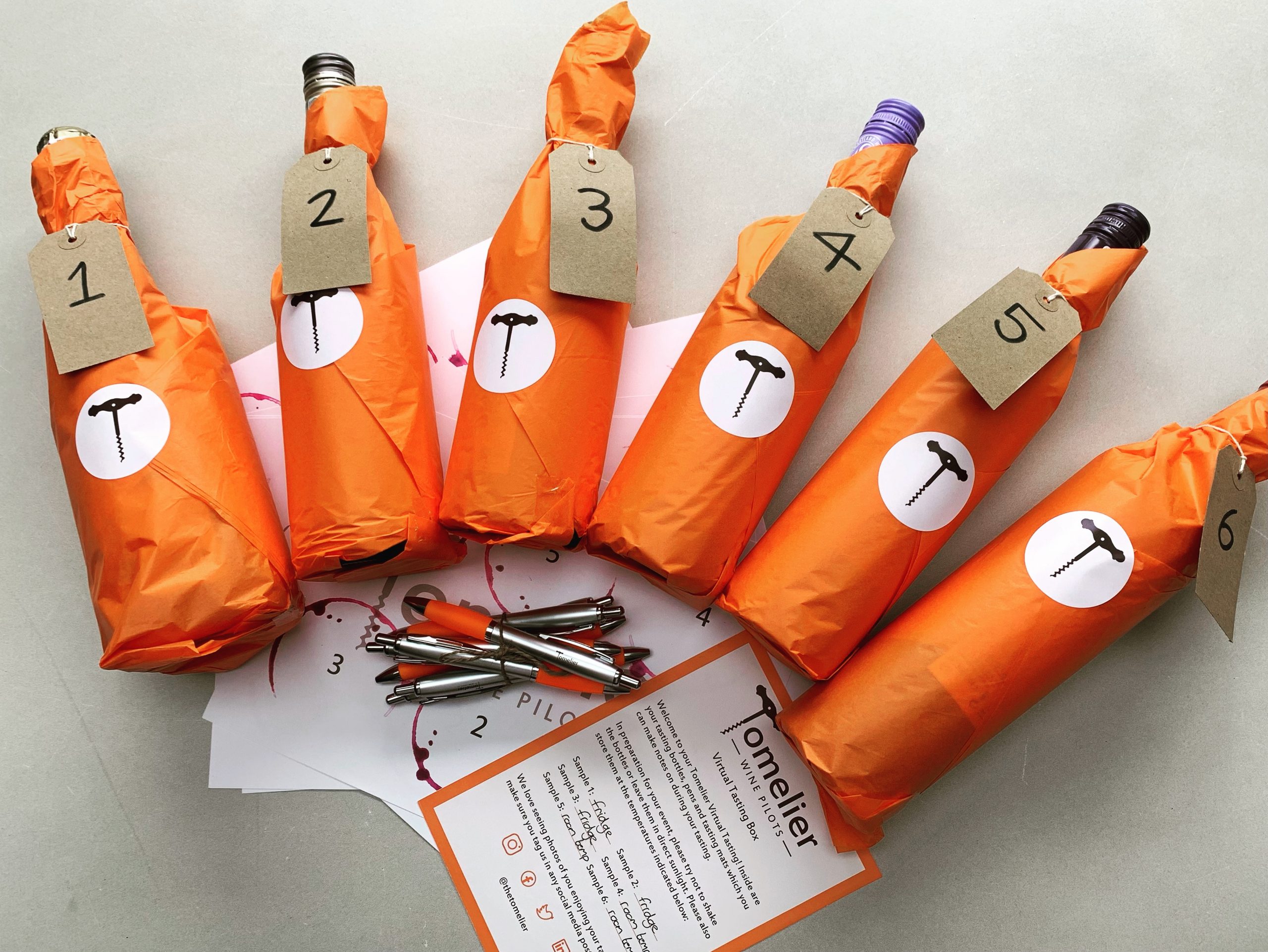
Quickly pivoting the in-person business model, he also introduced virtual tasting packs, which became popular and, post-pandemic, continue to be so, now making up around a third of Tomelier’s total revenue.

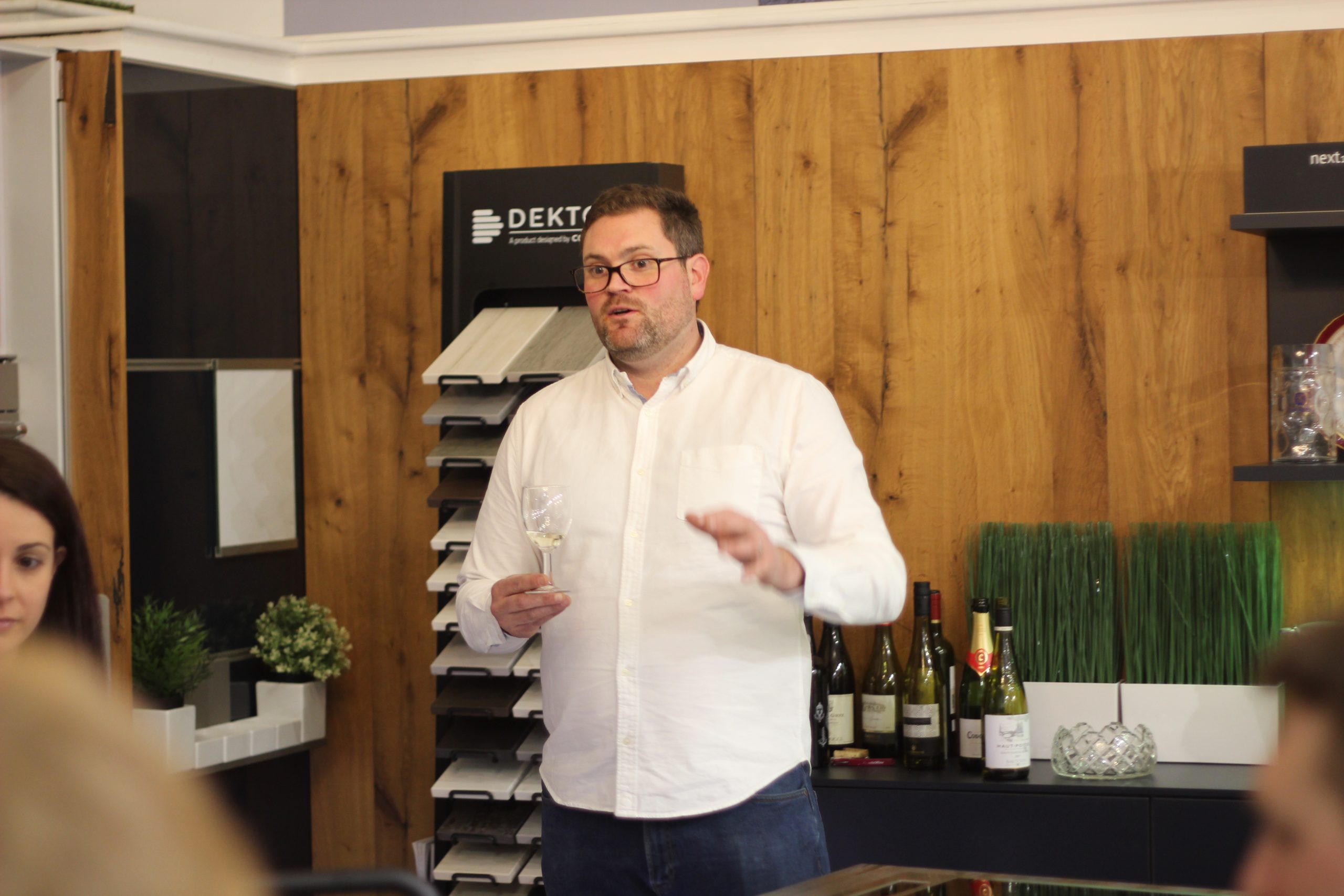
Tom, from Rugby, is now recruiting other wine experts to help build his brand beyond the Midlands and offer more face to face tastings UK-wide.

He said: “After working in law for ten years, I started to fall out of love with the industry and specifically my long commute.

“I love wine but there is so much choice out there and so many confusing labels, it can be really daunting for consumers. From this came the idea of a tasting company where I could introduce people to different styles of wine and using my knowledge explain to them why or why not they worked for their palate.”

The bespoke virtual tastings, delivering airtight wine pouches by post, have proved particularly popular with corporate clients who can involve teams of colleagues scattered across the country.

“The business had only been running for less than a year with a focus on tastings at venues and conference centres throughout the Midlands. We had worked hard to build up connections in the industry and had some exciting events lined up. Of course this stopped overnight,” recalls Tom.
Tomelier, Tom Newbold, wine tasting, Rugby
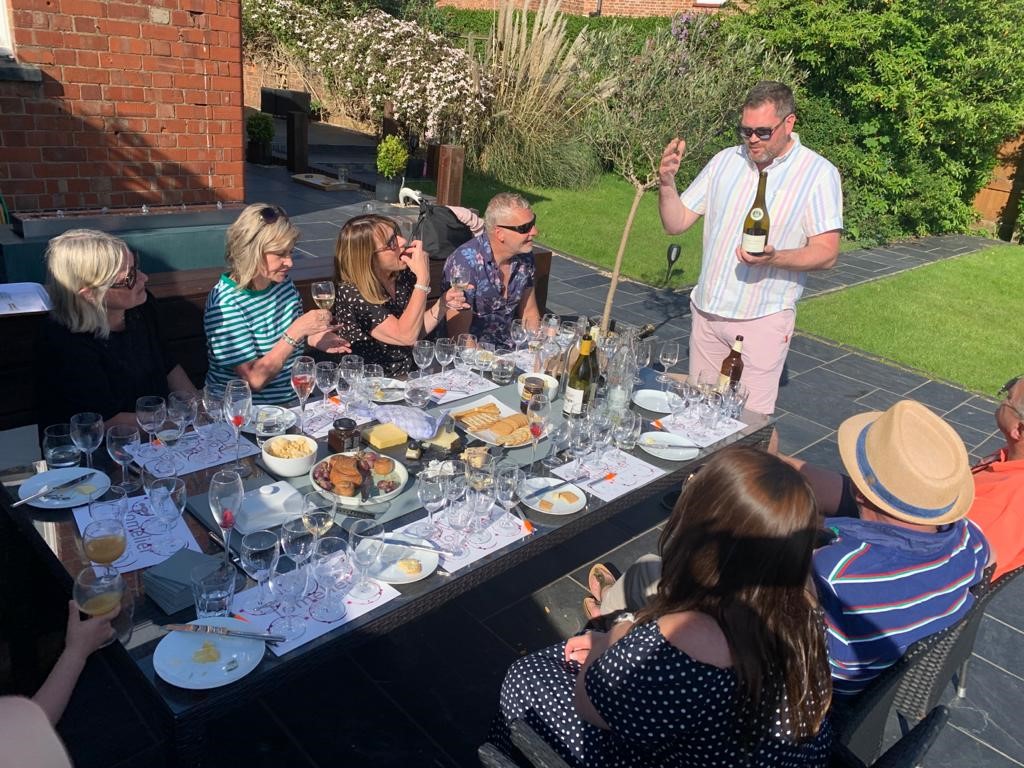
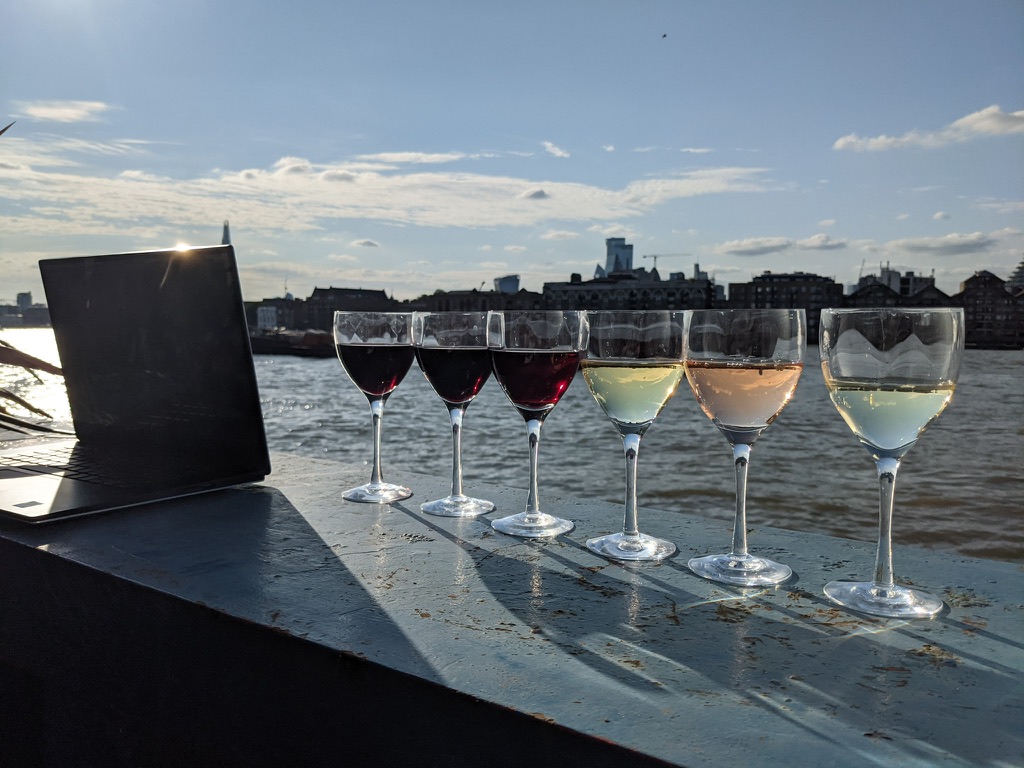
Face to face wine tasting sessions are growing in popularity again following the pandemic.

“It was incredibly worrying not knowing what the future held but, early on into the first lockdown we started hosting live tastings on social media with wines that people could pick up in big supermarkets. These tastings gained popularity and a loyal following and we realised that there was an appetite for virtual tastings. We subsequently developed a way of sending out 100ml samples, securely and safely whilst maintaining the integrity of the wine inside.”

It was following the birth of his daughter in 2016 that Tom took his first steps into the wine retail industry and going on to achieve a Distinction in the Wine and Spirits Education Trust Level 3 Award in Wine as well as the prestigious Michael Cox Vintners Award.
Tomelier, Tom Newbold, wine tasting, Rugby

But as he approaches Tomelier’s third anniversary – and with his sights firmly set on growth – Tom has recruited wine professionals to offer tastings in Herefordshire and Worcestershire and is also on the lookout for someone in the north of the country.

Tom added: “Whilst the pandemic has clearly been horrific for so many people, it has forced us a business to adapt and think outside the box, and I don’t think we would have ever developed the virtual tasting side of the business if we hadn’t had to experience lockdown. With everyone shut up inside this proved very popular and we were incredibly busy throughout the period of the pandemic.

“A lot of businesses have also now adapted and see the benefits and financial savings of not having a large group travelling to one location. People are also happier using virtual meeting technology and having a tasting from the comfort of their sofa has the added benefit of you not having to drive home afterwards!”
Tomelier, Tom Newbold, wine tasting, Rugby

Further Information:

All Tomelier tastings are bespoke to the customer’s brief and budget. Wine is sourced from a number of places depending on what the customer wants to achieve in their tasting. Unlike a lot of wine tasting companies, Tomelier does not sell the wines tasted and as such the tasting does not turn into a sales event. This means they can be objective, discussing the shortcomings of those wines if necessary. There is also full transparency with customers about where the wine is sourced and how much it costs.

 Tom’s favourite wine is a Syrah (Shiraz) or a Syrah blend from either the Rhône valley or the South African winelands.

Visit: https://tomelier.co.uk/
Tomelier, Tom Newbold, wine tasting, Rugby

Great Central Way project earns national environmental award

Great Central Way project earns national environmental award

A Rugby Rotary Club centenary project to upgrade a section of the Great Central Way, has been recognised with a national award.

The Rotary Club’s work, in conjunction with Rugby Borough Council and Warwickshire Wildlife Trust, to upgrade the section of the former railway line has received the Rotary Club of Great Britain and Ireland Environment Award.

Heart of England Rotary Club, Rotary Club GB&I, Great Central Way, Rugby, environment award
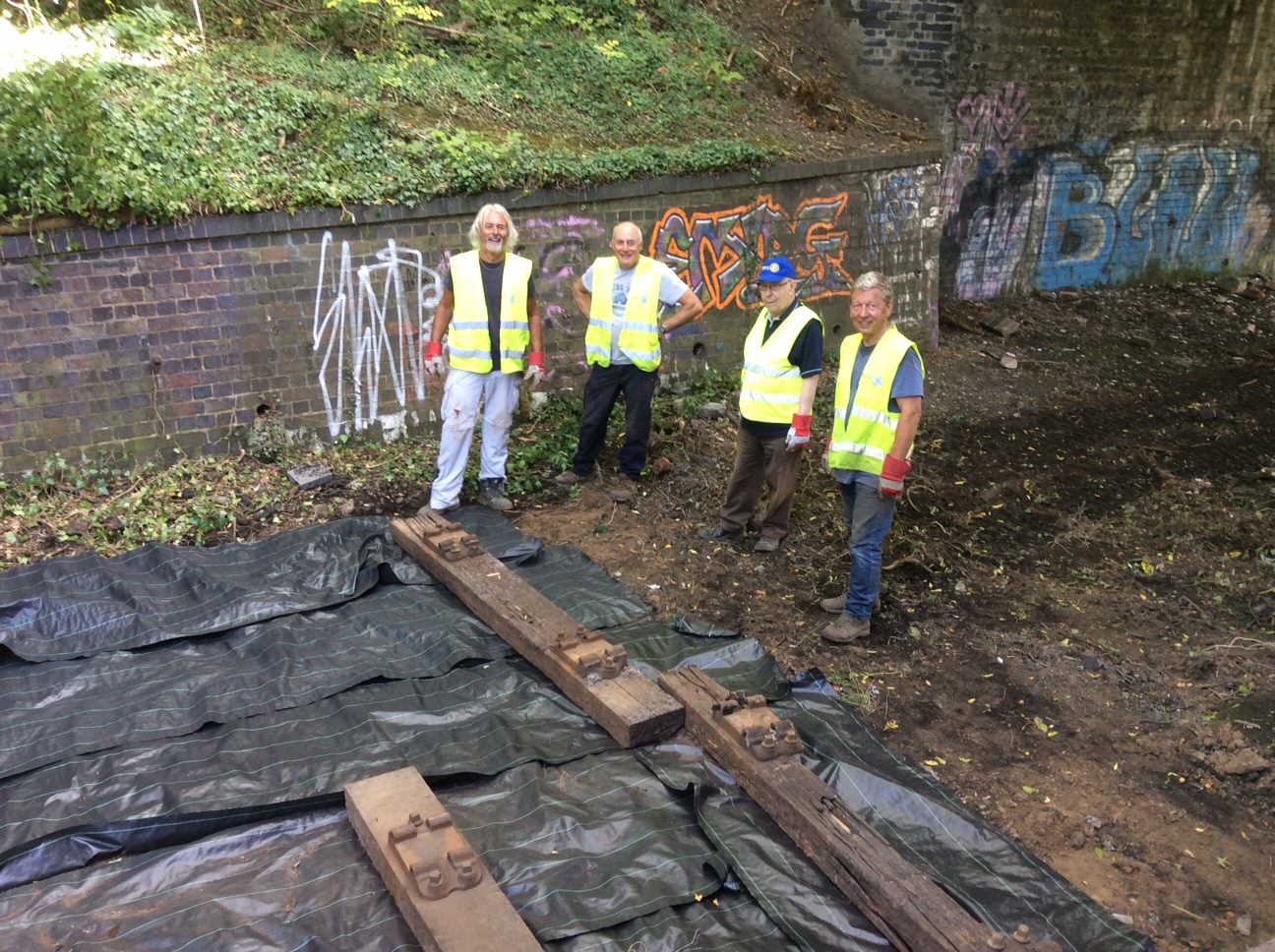
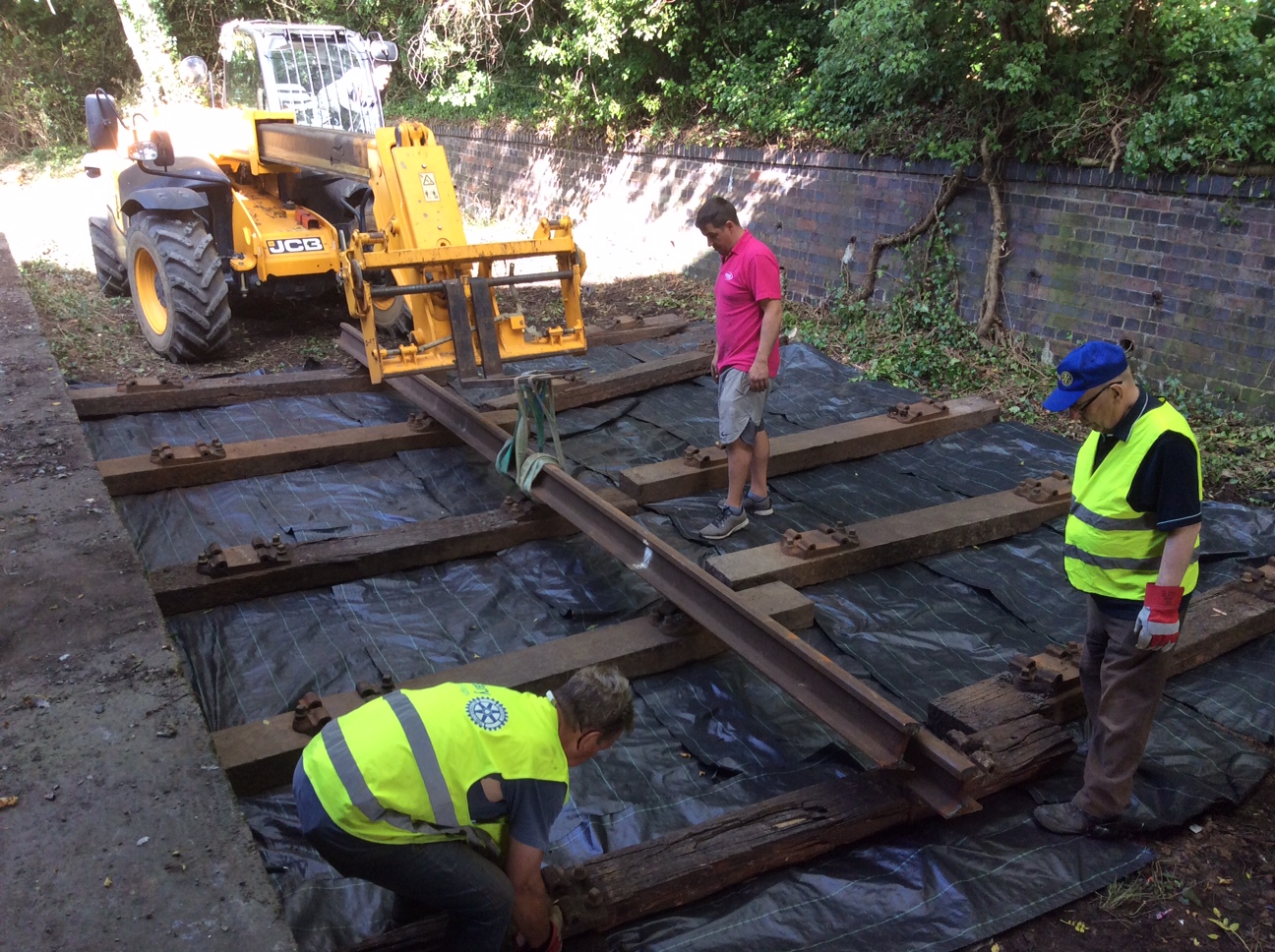
Volunteers laying track last year.

It was picked out as the winner from projects across the UK which fulfil the sustainability criteria, as set out by a judging panel made up of members of The RGB&I Environment Sustainability Group and ESRAG British Isles Chapter.

Former President of the British Rotary Clubs in the British Isles, Rodney Huggins MBE, created the awards in 1999 following receipt of a letter from the Private Secretary to Prime Minister Tony Blair enquiring about Rotary’s environmental efforts.

He said: “Rugby’s entry was chosen because of the scale of its project, its environmental impact, involvement of young people and potential for growth and development.”

The Great Central Way route ceased use as a railway in 1965 when Rugby Central Station was also demolished. Without the resources to manage it along its full length, the council handed over the lease to Warwickshire Wildlife Trust which now maintains the section south of Hillmorton Road. But they don’t have the resources to manage the northern section.

Heart of England Rotary Club, Rotary Club GB&I, Great Central Way, Rugby, environment award

Plans also include interpretation boards, to be designed by local blacksmiths, in a style echoing the traditional British Rail signs and explaining the history of the Great Central Way.

Rugby Rotary Club is now more than halfway through its four-year project to enhance the southern section of the Great Central Way, including the removal of undergrowth and trees, improving the Sun Street Play Area, creating a wild play area, providing signage and, subject to community involvement, the provision of a community garden/orchard.

The plans also include an Art Heritage Trail, which will include interpretation boards, to be designed by local blacksmiths, in a style echoing the traditional British Rail signs and explaining the history of the Great Central Way.

Heart of England Rotary Club, Rotary Club GB&I, Great Central Way, Rugby, environment award

Artists will also be commissioned to collaborate with schools in a competition to produce unique artwork and murals along the 1.2km route between Hillmorton Road and Abbey Street. And arriving soon are three new bespoke benches, funded by The Rugby Group Benevolent Fund and designed by Cawston artist and former Rotarian, Eric Gaskell. The back of the bench design incorporates trains, pedestrians and a cyclist as well as wildlife.

Rotary and WWT volunteers have already laid 200ft of track thanks to the donation of rails and sleepers by Network Rail.

Rugby Rotarian and GCW project leader Laurence Wilbraham, said: “All the volunteers involved with this scheme are delighted to have received this prestigious award. It acknowledges the huge effort involved over the last three years with over 1,600 hours having been worked and the considerable improvements which have been carried out.”

He added: “The Great Central Way is one of Rugby’s best kept secrets which was only really rediscovered by people during the first lockdown, particularly when Severn Trent closed Draycote Water.

“To mark our centenary, Rugby Rotary Club members wanted to do something that would raise both the profile of the club and of Rotary, would provide long term benefits for the people of Rugby and involve volunteering and young people as well as doing something environmental. The overall aim is to improve the ecological, landscape, educational and recreational value of the way.”

Heart of England Rotary Club, Rotary Club GB&I, Great Central Way, Rugby, environment award
Rotary members and volunteers clearing scrub

For further information about the Great Central Way project, Rugby Rotary Club or to volunteer, visit: https://www.rotary-ribi.org/clubs/page.php?PgID=801977&ClubID=382

Debut novel takes readers to Rugby the day after Coventry Blitz

Debut novel takes readers to Rugby the day after Coventry Blitz

Rugby author Steve Gay is celebrating the timely launch of his evocative debut novel in the month of the 80th anniversary of the Coventry Blitz.

Inspired by long-told tales from his own family history, The Birds That Do Not Sing is set on the day after the World War II city bombings campaign, through the eyes of a ten-year-old boy from a pacifist family in neighbouring Rugby.

Steve Gay, The Birds That Do Not Sing, historical fiction, Coventry Blitz, Rugby

And the new historical fiction has already attracted positive reviews following its release last week.

Steve said: “I wanted to give readers a vivid and authentic sense of time and place, from my father’s memory of watching the German bombers overhead, Coventry burning on the horizon, and all the everyday details that framed a wartime childhood.”

He added: “There is still a rich oral history living around us, but the generation with first-hand memories of the war is slipping away from us. I hope this story will cause readers to explore their own family history, to unearth the stories and cherish them before they are gone forever.”

Steve Gay, The Birds That Do Not Sing, historical fiction, Coventry Blitz, Rugby

The launch, timed around the anniversary of the bombings on Saturday, marks a proud moment for the recently retired financial services director who reconnected with his love of writing whilst on his daily commute to London.

But it was while graduating from Warwick University’s highly regarded Warwick Writer’s Programme two years ago that his current novel began to take shape.

Moved by his father’s accounts from one of the darkest times in history, the book has been hailed as a brilliant and emotive literary arrival for the former Dunsmore Boys School student who is one of four generations of a Rugby family that stretches back to before the first world war.

Steve, 59, explained: “The central character, Jimmy, is trying to make sense of an adults’ war. He’s struggling to comprehend the mixed messages, the shifting opinions, the competing loyalties, the opposing expectations, trying to work out what it all means, particularly given that he lives in a controversial family of militant socialists, pacifists, atheists and conscientious objectors.

“It’s a book about the traumas we all suffer. It’s about the guilt that we carry, the secrets we keep, the redemption that we crave – those human adversities, qualities and frailties and how they follow us through life.”

He added: “What I described in the book are some of the real pressures my father experienced but you have to paint the truth and mould it into something more fictional as well if you’re going to create the pace that a novel requires.”

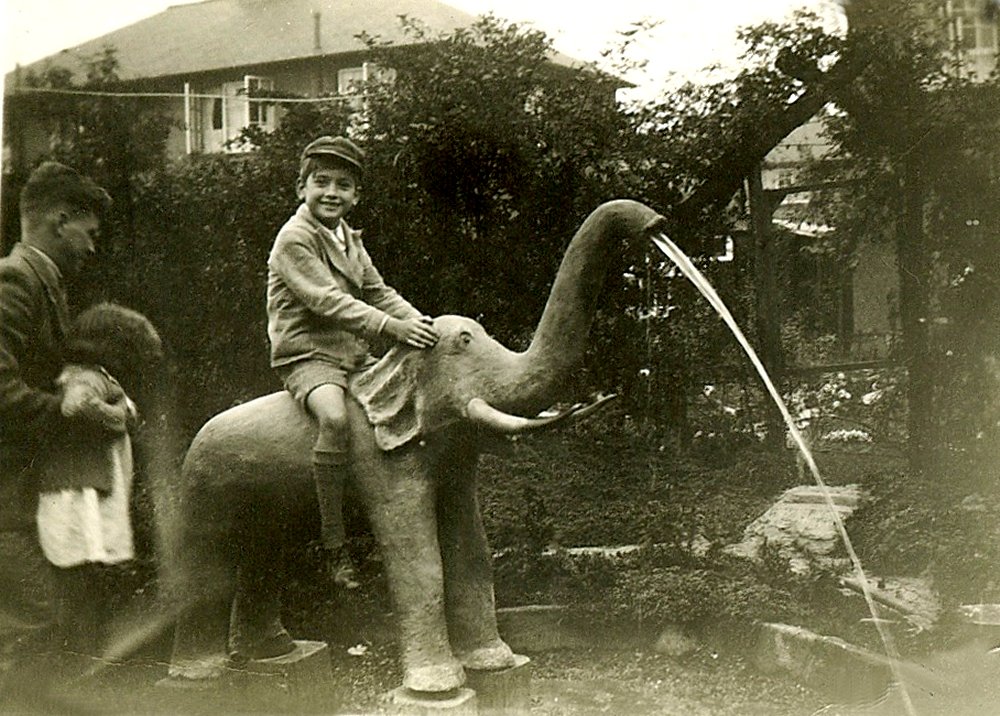
One real – and familiar – local feature of the story however, is another of Steve’s central – and personified – characters, the concrete elephant.

Built by his engineer grandfather before the start of the war, the ornamental water feature could be found for four decades on the A5, where it had been placed by the Asquith family who purchased it in 1938.

But, after many years of wondering what became of the oft-mentioned elephant, it was recently tracked down by Steve – a mere mile from his home!

He said: “In the book I have turned the elephant into a character – a confidante for the protagonist to help him try and make sense of what is happening.

“I was telling a friend about it recently who said they had spotted it in the front garden of a house just around the corner. I knocked on the door in March, much as the character does in the book, and spoke to the homeowner about it. I’m hoping when COVID is over my father will be able to go round and reacquaint himself with the elephant that he remembers as a child!“

Steve Gay, The Birds That Do Not Sing, historical fiction, Coventry Blitz, Rugby

Buoyed by the early reviews of The Birds That Don’t Sing, Steve is already looking ahead to the next chapter in his new literary career, the first in a science fiction trilogy, planned for release next summer.

For now though he is hoping that his debut novel will help set him on the path to writing success, but, most of all, that it resonates with his new army of readers.

“I never started with the ambition of publishing anything, I simply knew I wanted to write a story. But as you get into these things you start to set your sights a bit higher and become more ambitious,” he said.

“It is lovely to hear that other people are reading it and getting some enjoyment out of it already. That’s all you can ask as a writer. And if readers are talking between themselves about issues within the book that provoke discussion, then that’s important as well.

“The story isn’t really yours. Once it’s published it’s for the reader to decide what it is about and what it means to them.”

It’s a milestone too for Charles, now 90, who has given his son’s efforts the seal of approval.

Steve said: “The biggest compliment I’ve been paid – or ever will be paid – about this book, is from my father who said it’s caused him to understand his childhood in a way that he previously hadn’t.”

The Birds That Do Not Sing is available to order from book shops as well as online. It is also available as an e-book on Amazon.

For more information, visit the official website: https://rookabbeypress.com