
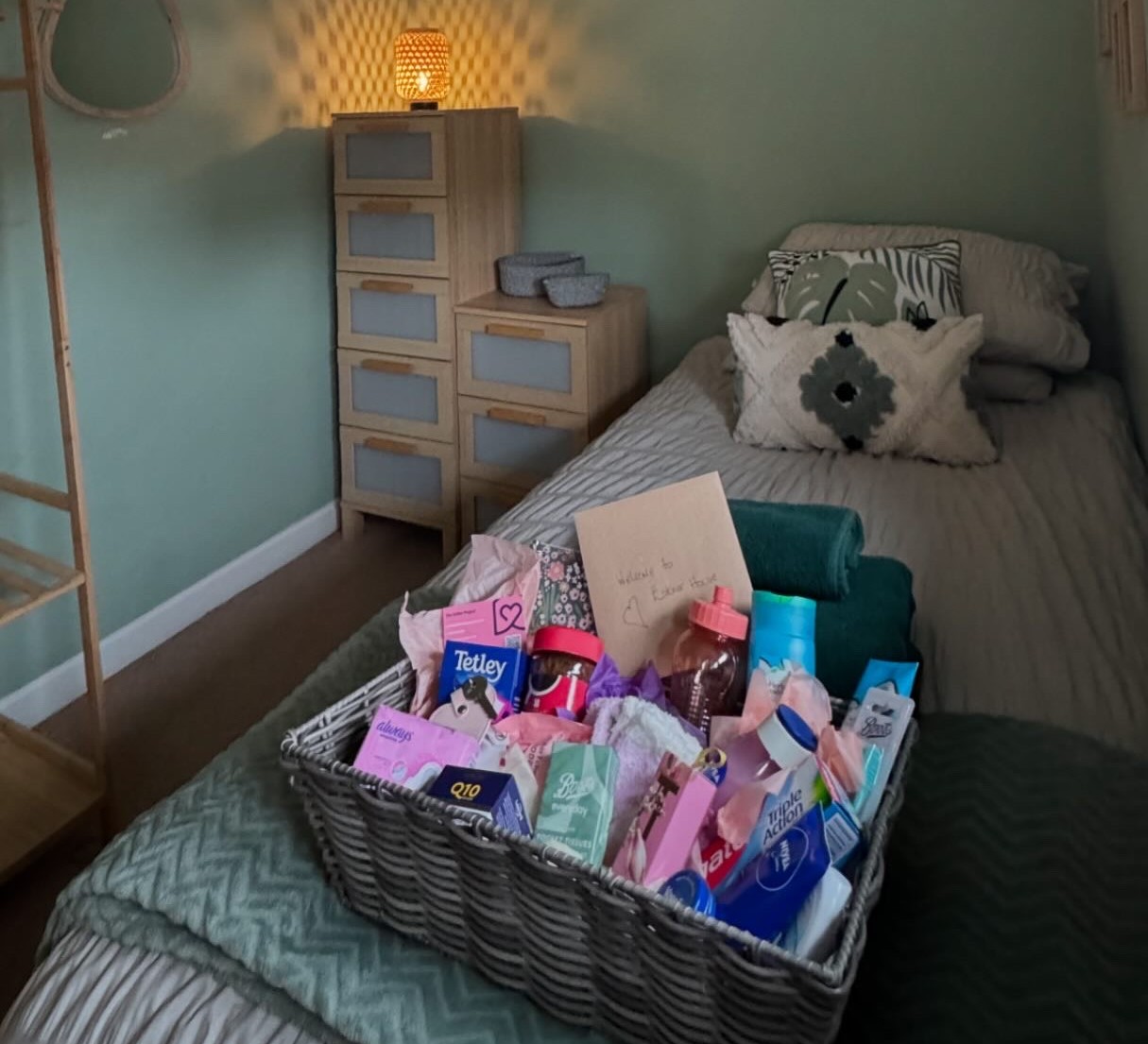
A Leamington group that supports vulnerable women in the community is appealing for the public to help it keep pace with increased demands on its services now its safe house is full.
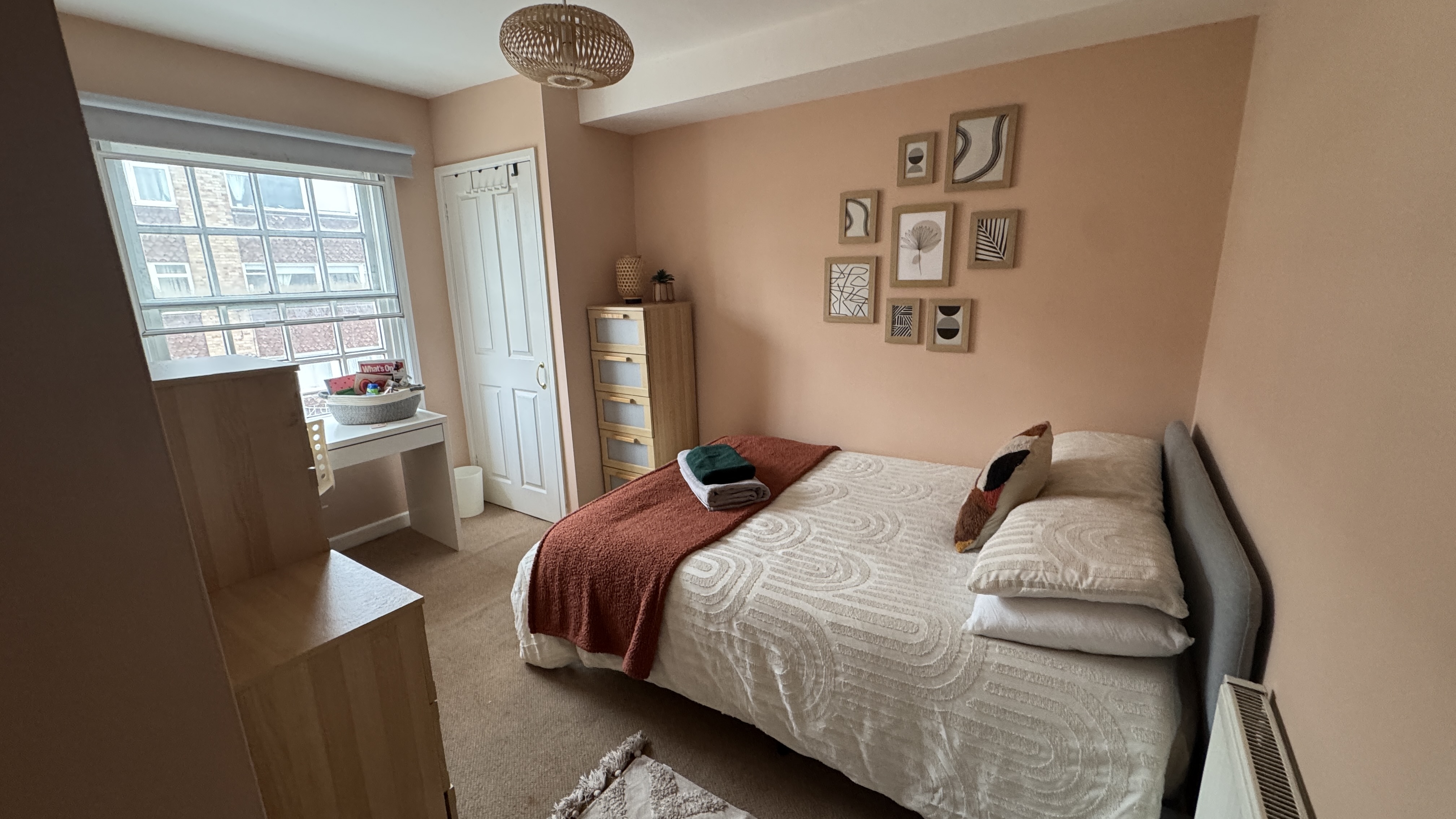
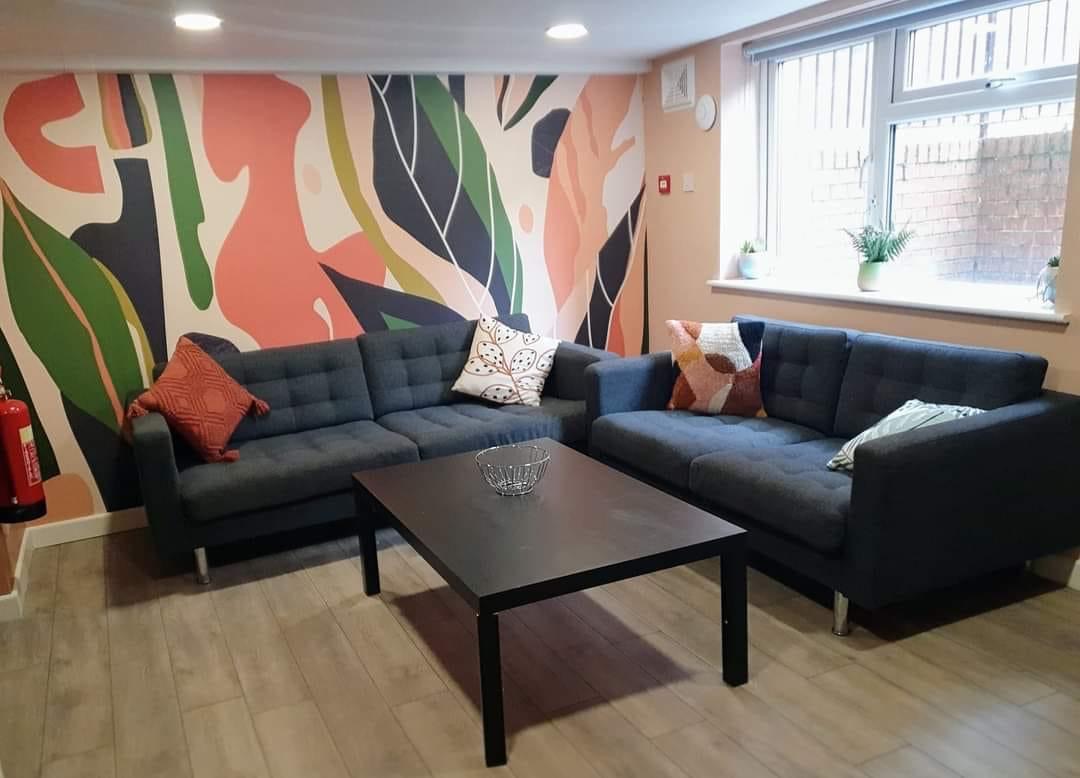
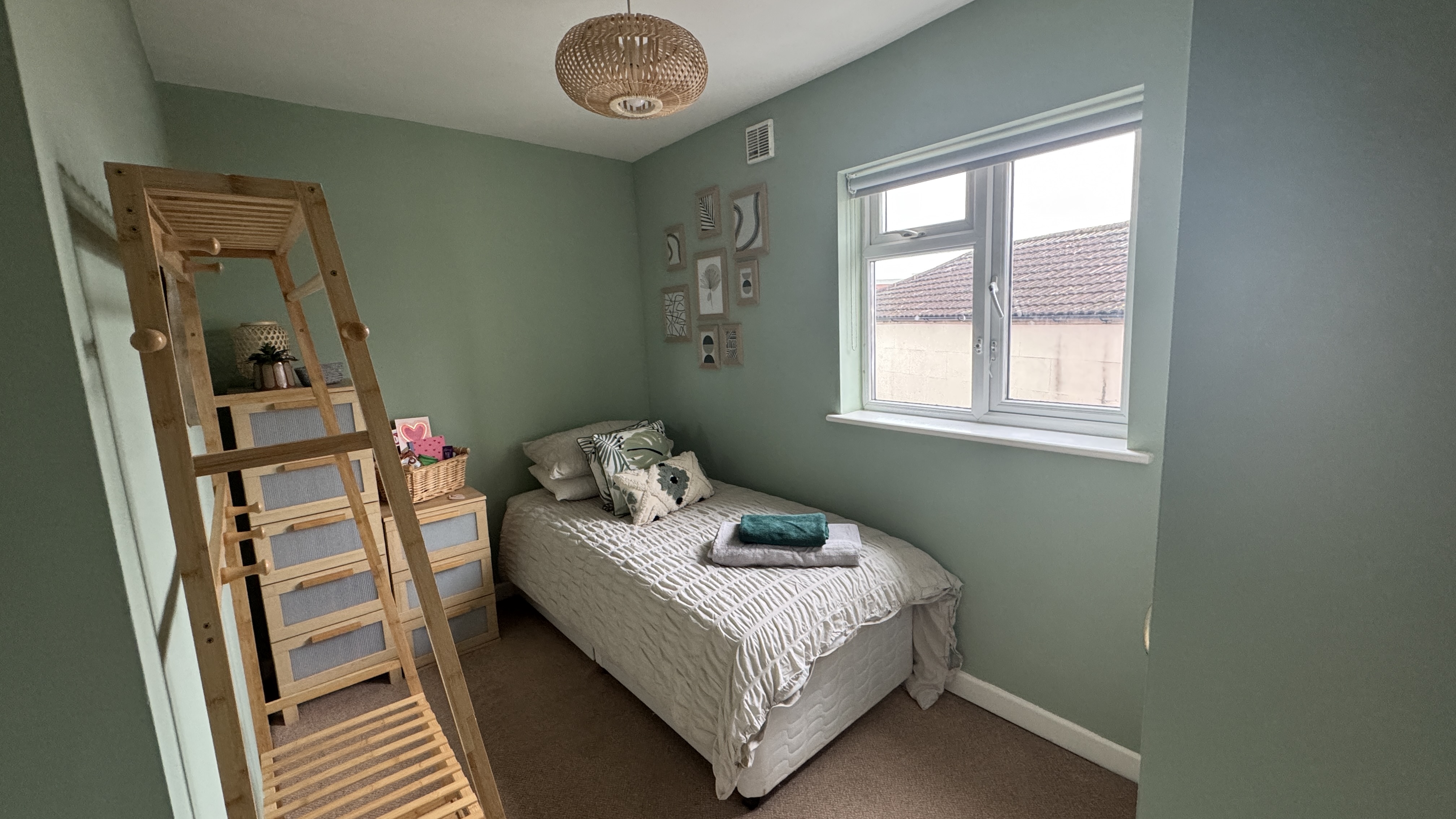
The Esther Project, a gender-specific organisation supporting those who have experienced trauma and adversity, says it needs regular donations following the arrival of three new women to its seven-bed supported living accommodation.
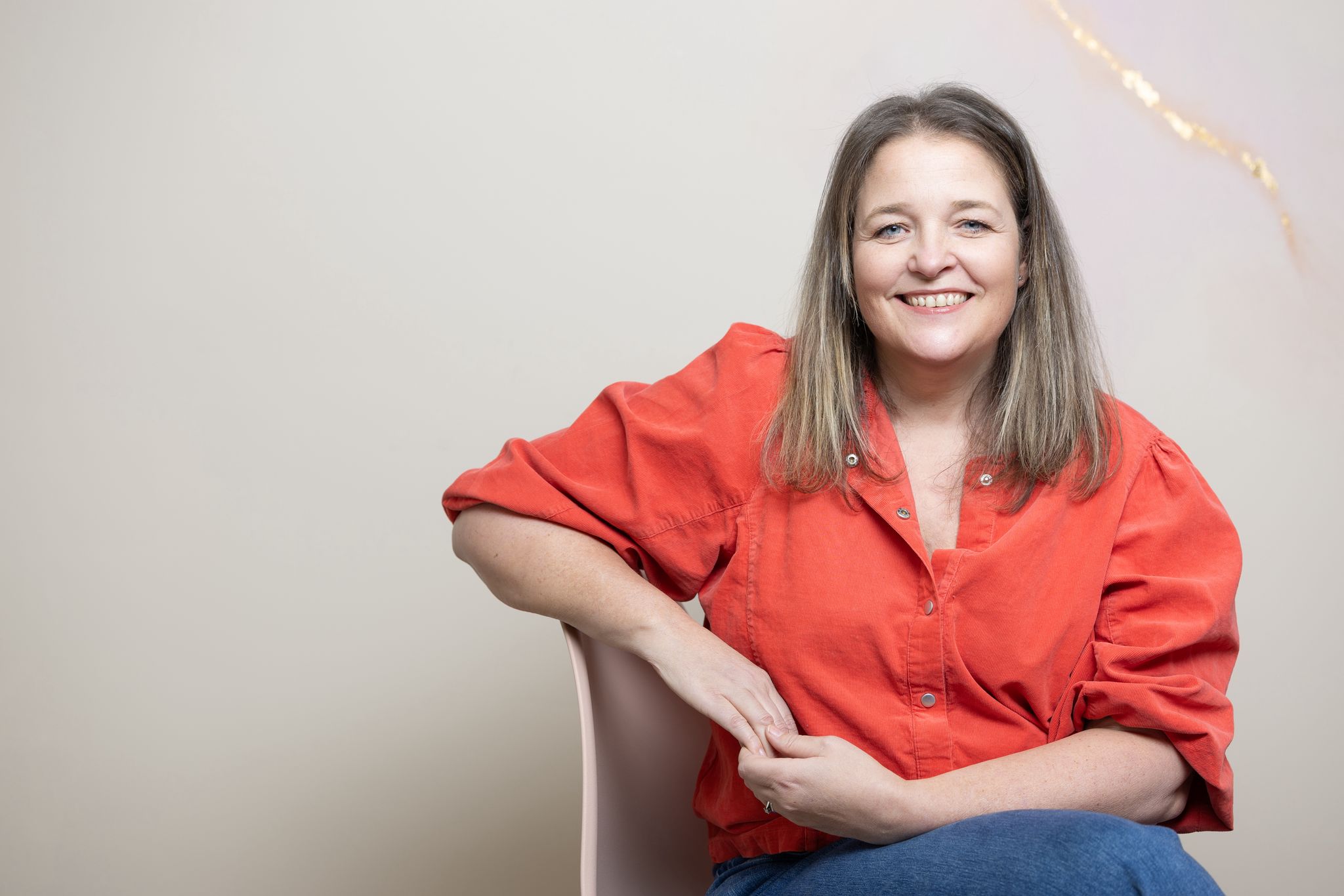
The initiative was established by Lianne Kirkman in 2023 – her mission, to create a nurturing and empowering community where every woman can heal, grow and reach their future potential. It does this through a range of services, including counselling, one-on-one support, creative activities, employability opportunities, and drop-in sessions for women facing mental health challenges, escaping domestic abuse, recovering from addiction, transitioning from prison, or experiencing homelessness.
In December they also opened their doors to a new pre-loved shop and community hub, incorporating a workspace and counselling room, in Gloucester Street.
In 2025, The Esther Project supported over 70 women across Warwickshire. Its weekly drop-in saw 343 visits, offering meals, connection, and practical support, while 160 counselling sessions were delivered to help women process trauma and rebuild confidence.
Now, as three more women begin their recovery journey in Esther House, they are appealing to local people to consider becoming regular givers to help fund the products and services that make rebuilding possible. That means food, home essentials, emotional support, and access to counselling – from day one.
Lianne Kirkman said: “When a woman arrives with us, she’s often starting from scratch – emotionally, practically and financially. What she needs most is stability. A bed, a warm meal, someone to talk to, and the reassurance that support won’t disappear overnight.”
“That’s why regular giving is so important to us. It allows us to say ‘yes’ when a woman needs us – not just today, but for the weeks and months ahead as she rebuilds her life.
“With your help today we can cover the immediate support these women so desperately need – and continue showing up for them in the weeks and months ahead. You’ll receive monthly updates on their time with us and how your gift is making a real difference to their lives.”
Regular donations help fund:
- Safe accommodation and essential items
- Weekly meals and support at the drop-in
- Access to counselling and emotional support
- Opportunities to rebuild confidence through community and activities
The Esther Project is encouraging local residents to sign up as monthly supporters, to help ensure that no woman is turned away and to fund the essentials that make rebuilding possible. That means food, home essentials, emotional support, and access to counselling – from day one. Sign up for a regular monthly donation HERE.
Lianne added: “Each woman’s journey is different, but consistent support is what enables lasting change. This isn’t about quick fixes, it’s about walking alongside women as they find their footing again – and that takes time, care and community. We simply cannot do it without the generosity of our local supporters. This isn’t about a big one-off donation, it’s about steady, reliable support – at a time when they need it most.”
Women can self-refer themselves to the hub via the link HERE.
Why Does The Esther Project Exist?
Women’s centres matter because the challenges many women face are deeply shaped by gender-specific experiences. Trauma, abuse, exploitation and instability often occur in contexts where mixed-gender environments can feel unsafe or triggering. Dedicated women-only spaces offer safety, dignity and understanding—creating an environment where women feel able to open up, rebuild trust, and access support without fear. This gender-informed approach allows for holistic, trauma-aware services that meet women where they are and help them move toward stability, confidence, and independence.
While women are often less visible on the streets rough sleeping, they actually make up 60% of those who are homeless and in temporary accommodation. In the last 10 years, the number of women in England who are homeless has increased by 88%. The evidence from the latest census, conducted across 41 local authorities, estimates there may be up to nine times as many women rough sleeping across England than the government’s annual rough sleeping snapshot suggests.
Globally, women are disproportionately affected by poverty, discrimination, inter-personal violence and exploitation. Women have fewer economic assets than men and limited participation in influencing economic and social policies. Women also perform the bulk of childcare and household work and have less access to education and economic opportunities than men in their societies (UN Women, n.d.). Despite some important increases in women’s equality in the 20th Century it is still the case that women in Britain are likely to:
- Earn less money than men
• Undertake certain kinds of paid work (e.g. lower paid, personal services)
• Enjoy less progression at work
• Have less freedom and leisure than men
• Spend more time looking after people
For some women and girls these structural factors, combined with gendered life experiences, such as being a victim of violence, lead to extremely difficult lives. Women may be dealing with multiple issues at any one time, such as:
- Homelessness
• Involvement in prostitution or sexual exploitation
• Mental health problems
• Domestic violence
• Drug and alcohol problems
• Contact with the criminal justice system


